
What Is ACDF Surgery?
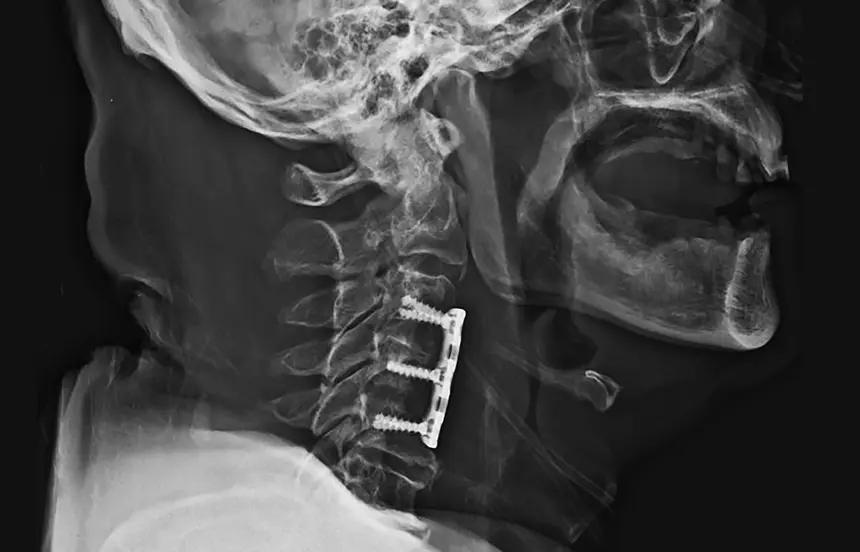
The surgeon accesses the spine through a small incision in the front of the neck, removes the damaged or herniated disc pressing on a nerve root or the spinal cord, and places a bone graft or implant in its place. The adjacent vertebrae are then secured with a plate and screws so they fuse into a single, stable segment over time.
Who Needs ACDF?
- A herniated or degenerated disc causing arm pain, numbness, or weakness that hasn't improved with physical therapy or medication
- Nerve compression confirmed on MRI that matches your symptoms
- Spinal cord compression causing balance or coordination problems
- Persistent neck pain with nerve symptoms despite months of conservative treatment
What Happens Before Surgery?
Your surgeon will review imaging (MRI or CT) to confirm exactly which disc level is affected and plan the surgical approach. You'll typically have pre-operative lab work and a physical evaluation to confirm you're ready for surgery.
What Happens During Recovery?
- Most patients stay one to two nights in the hospital, sometimes less
- A soft or rigid neck brace may be used temporarily to support healing
- Physical therapy usually begins within a few weeks to restore strength and motion
- Full fusion of the bone typically takes several months, even though pain relief is often felt much sooner
Everything in One Place
From diagnostic imaging to surgery, hospitalization, and post-operative physical therapy, Hospital CMQ's spine team manages the full ACDF journey without needing to coordinate between separate facilities.
Ask our spine specialists whether ACDF could relieve your neck or arm symptoms.
References
- American Association of Neurological Surgeons — Cervical discectomy and fusion
- Mayo Clinic — Herniated disc treatment
- North American Spine Society — ACDF patient guidelines