

Norovirus Outbreak Worldwide: Symptoms, Treatment and Warning Signs
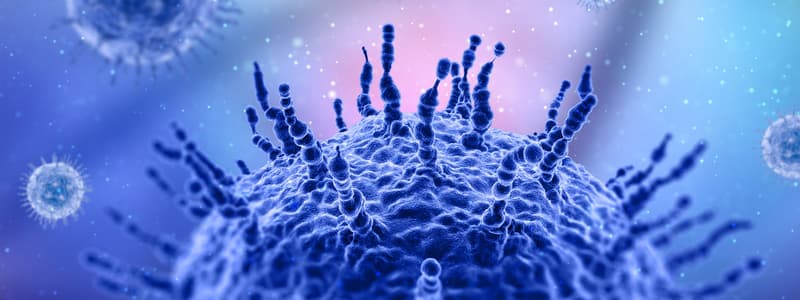
Norovirus is a highly contagious virus and one of the leading causes of acute gastroenteritis in the world. This disease is characterized by symptoms such as nausea, vomiting, diarrhea, and abdominal pain. In addition, norovirus affects people of all ages and is present throughout the year. However, its activity increases during the winter months, especially between November and April.
This virus has a high transmissibility and is acquired mainly through the consumption of contaminated food or water, contact with dirty surfaces, or from person to person. In addition, worldwide, norovirus is responsible for millions of cases of gastrointestinal illness each year, affecting mainly young children, older adults, and people with weakened immune systems. In this article, we will explore in detail everything you need to know about norovirus and how to protect your health and your family’s well-being.
Norovirus is active throughout the year, but its activity increases significantly in the winter months, especially between November and April.
What is Norovirus and How is it Different From Other Gastrointestinal Infections?
Norovirus is responsible for causing acute gastroenteritis, an inflammation of the stomach and intestines. According to the CDC, this infection causes symptoms such as nausea, vomiting, diarrhea, and abdominal pain. However, unlike other gastro infections, such as rotavirus or salmonella, norovirus has a rapid transmission phase, high resistance in the environment, and the ability to cause occasional outbreaks. Below, we compare norovirus to other common gastrointestinal illnesses:
| Norovirus | Rotavirus | Salmonella | |
| Main Cause | Virus | Virus | Bacteria |
| Highest risk group | All ages | Mainly young children | All ages |
| Main symptoms | Nausea, vomiting, diarrhea, abdominal pain, and in some cases, fever. | Diarrhea, high fever, and vomiting. | High fever, severe diarrhea, and severe intestinal cramping. |
| Form of transmission | Contact with infected people, contaminated surfaces, contaminated food and water. | Contact with feces and contaminated surfaces. | Consumption of contaminated food and/or water. |
| Incubation period | Between 12 to 48 hours. | It usually takes 48 hours after first contact. | Between 6 hours and 3 days. |
| Sickness period | 1 to 3 days | 3 to 7 days | 3 to 7 days, but in severe cases it may last longer. |
| Treatment | No specific treatment. Hydration and rest are recommended. | Hydration, rest, and in severe cases, hospitalization. | Antibiotics, rest, and in severe cases hospitalization. |
Main Signs and Symptoms of Norovirus
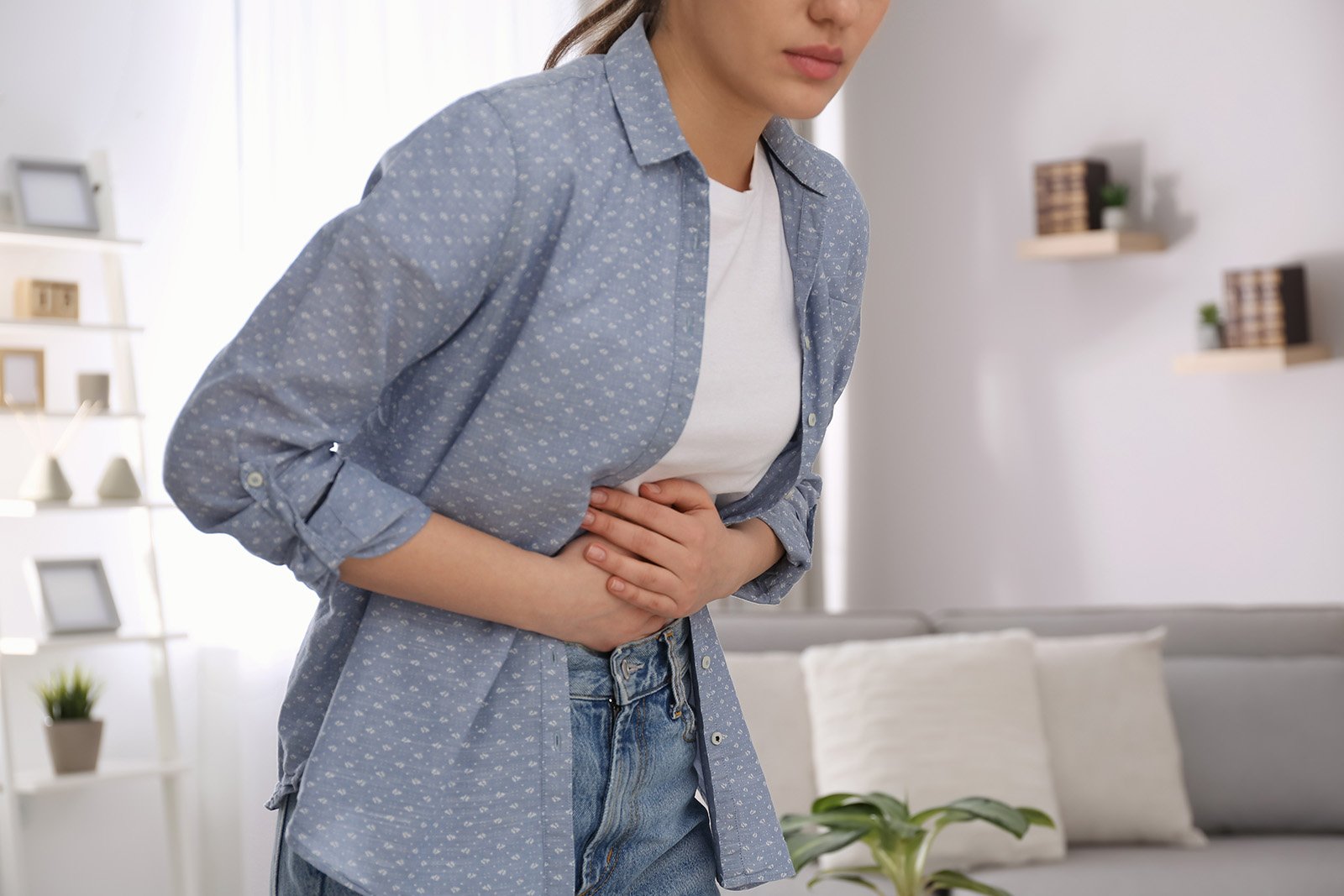
As we mentioned above, norovirus causes acute gastroenteritis that manifests with digestive issues and various symptoms. Although the illness is usually of short duration, the symptoms can be disabling, especially in children and older adults. Some of the most common symptoms of norovirus are:
- Nausea: Very characteristic of norovirus, a feeling of wanting to vomit.
- Vomiting: Very common symptom in people of all ages.
- Diarrhea: It is usually watery, abundant, and the main cause of dehydration.
- Abdominal pain and intestinal cramps: Cramping sensation due to inflammation of the digestive system.
- Mild fever: In some cases, a slight fever may occur, although it is not a predominant symptom.
- Fatigue and general malaise: Weakness due to loss of fluids and electrolytes.
- Headache: In some cases, a headache may occur.
The incubation period for norovirus is between 12 and 48 hours after exposure, and symptoms usually last up to 3 days. Although most people recover quickly, it’s important to seek medical attention if you experience dizziness, low urine output, high fever, bloody diarrhea, or persistent vomiting for more than 3 days. If you have any of these symptoms for more than 3 days, go to your nearest emergency clinic.
Meet Our General Surgery Specialists Who Diagnose and Treat Gastrointestinal Diseases
At Hospital CMQ, we have a team of specialists highly trained in the diagnosis and treatment of gastrointestinal diseases, such as norovirus, as well as other infections related to the digestive system:



Meet our Gastroenterology Expert at Hospital CMQ. Schedule your appointment!
One of our gastroenterology specialists is Dr. José Francisco Barrientos Medina, who has a solid background in the treatment of digestive diseases, from gastroenteritis to chronic diseases such as irritable bowel syndrome and inflammatory bowel diseases. If you are experiencing symptoms of norovirus, do not hesitate to schedule your appointment with Dr. Barrientos Medina at Hospital CMQ City Center.

José Francisco Barrientos Medina
Dr. Jose Francisco Barrientos Medina is an outstanding Gastroenterologist in Puerto Vallarta with a solid academic background. He graduated from the Faculty of Medicine of the Autonomous University of Campeche. Afterward, he completed a specialty in Internal Medicine at the National Medical Center of the Autonomous University of Puebla. Later on, Dr. Barrientos Medina completed a subspecialty in Gastroenterology at the ISSEMYM Medical Center of the National Autonomous University of Mexico.
Dr. Barrientos is certified by the Mexican Board of Internal Medicine and the Mexican Board of Gastroenterology. Similarly, he is trained in Bariatric Endoscopy by the EndoVitta Institute in São Paulo, Brazil. Moreover, among the most common conditions that Dr. José Francisco Barrientos Medina treats are:
- Disturbances of the digestive system
- Esophagus disorders
- Stomach problems
- Appendicitis
- Chronic Constipation
- Gastroesophageal Reflux
Likewise, in his medical practice, Dr. Barrientos Medina performs the following services:
- Endoscopy
- Colonoscopy
- Ulcer treatment
- Bariatric Endoscopy
Due to his ethical standards and dedication to the well-being of his patients, Dr. José Francisco Barrientos Medina has become a respected and trusted figure in the field of GI medicine in Puerto Vallarta. Through his warm and friendly approach, Dr. Barrientos offers personalized and quality care. Schedule your appointment with Dr. Jose Francisco Barrientos Medina today by calling Hospital CMQ City Center at (322) 223-1919.
Read moreRead less
Ways of Transmission: How is Norovirus Spread?
Norovirus is known for its high transmissibility, which means that it can spread rapidly from person to person. Especially in closed or crowded environments, such as hospitals, schools, and restaurants. Here are the main ways norovirus is spread.
- Direct contact with infected persons: Norovirus is easily transmitted through direct contact with a person who is infected, especially if that person has been vomiting or has diarrhea.
- Consumption of contaminated food or water: This virus is also transmitted through contaminated food or water, especially those that have been handled by an infected person.
- Contaminated surfaces: Norovirus can survive on surfaces for several days, which facilitates transmission through contact with contaminated objects or surfaces, such as tables, door handles, telephones, and kitchen utensils.
Good Hygiene Practices: How to Prevent Norovirus?
To prevent the transmission of norovirus, it is essential to follow basic hygienic practices such as:
- Frequent hand washing with soap and water, especially after using the bathroom or when preparing food.
- Disinfecting surfaces with special products, such as bleach solutions diluted in water.
- Avoid close contact with infected persons and stay at home if symptoms are present.
- Avoid eating food of questionable origin, especially raw or undercooked seafood.
Being aware of these preventive measures can significantly reduce your risk of infection, especially if you are frequently in crowded places.
High-Risk Foods to Avoid
Norovirus is easily transmitted through contaminated food. Our experts recommend being cautious with certain foods, which due to their characteristics, can be a vehicle for transmission, especially when they are improperly handled or consumed raw or undercooked. Some of the foods with the highest risk are:
- Raw or undercooked shellfish: Shellfish, particularly oysters, shrimp, clams, or mussels. When these shellfish are consumed raw or undercooked, people may be exposed to the virus.
- Some fruits and vegetables: Fruits and vegetables may also be contaminated with norovirus if they have been handled by infected people or if they have been in contact with contaminated water. Wash all fruits and vegetables thoroughly with clean water before eating them.
- Ready-to-eat packaged foods: Ready-to-eat foods, such as prepackaged salads and prepared foods, can be a major source of infection if they are not stored properly. If you consume such products, make sure they come from reliable sources that follow strict hygiene standards.
- Contaminated water: Water can be a source of norovirus infection if it is contaminated with human feces. This can occur especially in areas where water sources are not properly filtered or treated. Be sure to drink bottled water or use proper water filters.
- Dairy products: Dairy products, such as unpasteurized milk or cheeses, can also be a source of infection. Always buy pasteurized dairy products to reduce the risk of illness.
Norovirus Treatment and Home Care Recommended by Our Physicians
Norovirus is an infection that has no specific treatment since the body’s immune system usually eliminates it by itself within 1 to 3 days. However, proper symptom management and home care are essential to speed recovery and avoid complications. Treatment is mainly focused on relieving symptoms and avoiding dehydration, as there is no specific medication to eliminate norovirus.
According to our doctors, rehydration is key, so they recommend drinking oral electrolyte solutions. In addition, it is important to avoid sugary and caffeinated beverages, as they can worsen diarrhea. As for food, they suggest a bland diet that includes rice, banana, and toasted bread or whole-grain crackers, and avoiding fatty or spicy foods. Another important point is adequate rest. Our doctors recommend that the person infected with norovirus should stay at home for at least 48 hours, maintaining good hand hygiene and disinfecting common contact surfaces with other people.
If you have questions or need specialized care, our physicians and specialists at Hospital CMQ are available to provide you with the support you need. Remember that our hospitals are open 24/7.