

Deep vein thrombosis (DVT) occurs when a blood clot forms in a deep vein, typically in the leg. Left untreated, the clot can travel to the lungs and cause a life-threatening pulmonary embolism — early diagnosis and treatment make a real difference.
Leg swelling or pain that concerns you? Contact us at 322 226 6500.
What is deep vein thrombosis?
The body has two venous systems: a superficial one under the skin, and a deep one inside the muscles. DVT develops in the deep system, most often in the calf or thigh, where a clot can partially or completely block blood flow.
What are the symptoms of DVT?
- Swelling in one leg, often with pain or tenderness
- Cramping or soreness starting in the calf
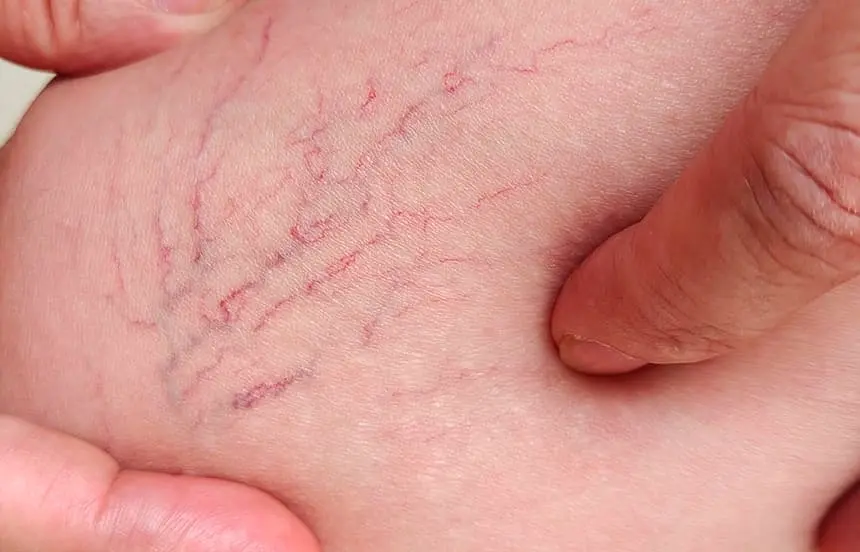
- Red or discolored skin over the area
- Warmth to the touch
Some people have no noticeable symptoms at all, which is why risk factors matter even without clear warning signs.
When is it a medical emergency?
Seek emergency care immediately if you notice signs of a pulmonary embolism:
- Sudden shortness of breath
- Chest pain that worsens with deep breathing or coughing
- Rapid heartbeat
- Lightheadedness or dizziness
These symptoms require immediate attention.
What causes DVT, and who is at risk?
The most common cause is prolonged immobility — long flights, car rides, or bed rest after surgery — which slows blood flow in the legs.
- Inherited clotting disorders
- Cancer, heart failure, or inflammatory bowel disease
- Hormone therapy or estrogen-containing birth control
- Obesity, smoking, and pregnancy
- Family history of DVT or pulmonary embolism
- Recent hip or knee replacement surgery
How is DVT diagnosed?
Diagnosis starts with a physical exam checking for swelling, tenderness, and discoloration, followed by a Doppler ultrasound, which uses sound waves to visualize blood flow. If results are inconclusive, additional imaging such as venography or MRI may be used.
What is the treatment for DVT?
Most patients are treated with anticoagulant medication (blood thinners), which prevents new clots from forming and existing ones from growing. In more severe cases, thrombolytic therapy may be used to dissolve the clot directly.
Care is coordinated between our angiology, internal medicine, intensive care, and radiology teams to ensure an accurate diagnosis and a treatment plan tailored to each patient.
Living with DVT
- Take your anticoagulant medication exactly as prescribed
- Stay physically active and avoid long periods of immobility
- Wear compression stockings if recommended
- Attend follow-up appointments to monitor your progress
References
- Centers for Disease Control and Prevention (CDC) — Venous Thromboembolism
- American Heart Association — Deep Vein Thrombosis
Schedule an evaluation with our vascular surgery team — 322 226 6500.