

What Is Cardioneuroablation?
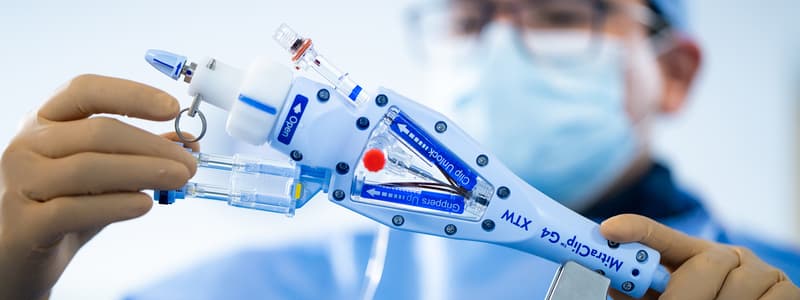
Some people faint because of a reflex — the vagal reflex — that causes the heart rate to slow and blood pressure to drop suddenly. Cardioneuroablation uses a catheter, guided through a blood vessel to the heart, to modify small areas of nerve tissue (ganglionated plexi) responsible for that exaggerated reflex, aiming to reduce how often fainting episodes occur.
Who Might Be a Candidate?
- Recurrent, severe vasovagal syncope (fainting linked to the vagal reflex)
- Episodes confirmed through a tilt table test or other cardiac evaluation
- Fainting that significantly affects quality of life despite lifestyle changes and other treatments
Not everyone who faints is a candidate — your cardiologist will confirm whether this specific mechanism explains your symptoms before recommending the procedure.
What Happens During the Procedure?
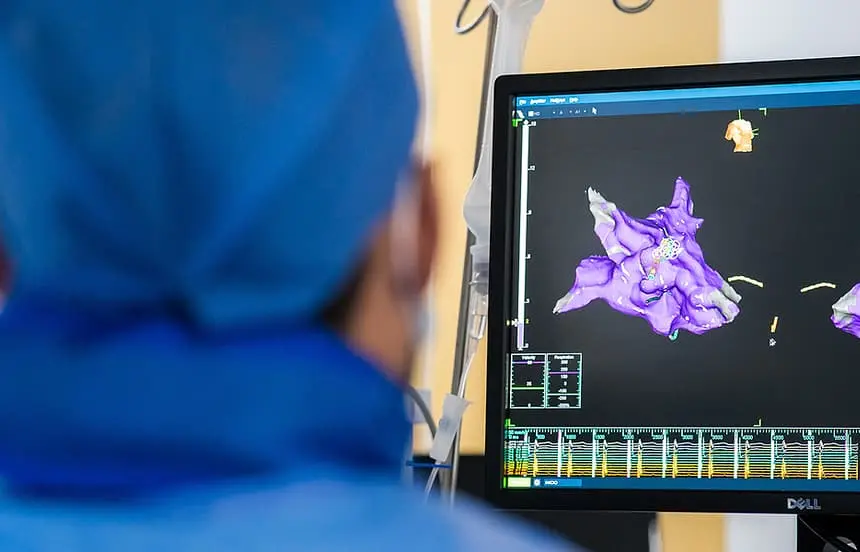
Similar to a cardiac ablation for arrhythmias, catheters are guided through a vein, usually in the groin, up to the heart. Using specialized mapping, the team identifies the nerve tissue involved and applies energy to modify it. The procedure is done under sedation or anesthesia and typically takes a few hours, often with a short hospital stay afterward.
Everything in One Place
From the initial tilt table test to cardiac mapping and the ablation procedure itself, Hospital CMQ's cardiology and electrophysiology team manages the full evaluation and treatment pathway without referring patients elsewhere.
If fainting episodes are affecting your daily life, ask our cardiology team about your options.
References
- Heart Rhythm Society — Cardioneuroablation overview
- Mayo Clinic — Vasovagal syncope
- American College of Cardiology — Syncope management