
Quick answer: an abnormal EKG (electrocardiogram) means your heart's electrical activity doesn't follow the typical pattern. This can range from a harmless variation — sometimes just a sign of stress, caffeine, or a fit heart — to something that needs prompt evaluation, like an arrhythmia or signs of reduced blood flow to the heart. An abnormal EKG is a clue, not a diagnosis by itself; your doctor will look at it together with your symptoms and history. Seek emergency care right away if it comes with chest pain, severe shortness of breath, or fainting.
What is an EKG, and why would mine be “abnormal”?
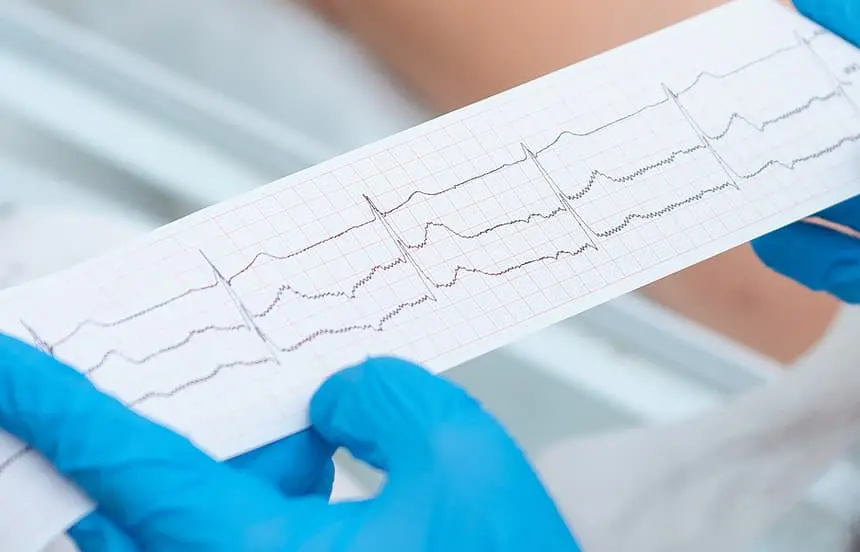
An electrocardiogram (EKG or ECG) is a simple, painless test that records your heart's electrical activity through small electrodes placed on your chest, arms, and legs. It shows your heart's rhythm, rate, and the shape of its electrical signals. When any of these deviates from the typical pattern, the result is flagged as “abnormal” — but that word covers a very wide range, from harmless variations to conditions that need urgent care.
Have questions about an abnormal EKG result?
Our Cardiology Department, led by Dr. Leslie Swindle, provides comprehensive assessment and interpretation of EKG findings.
Book a consultation via WhatsApp at +52 322 147 0044
Common causes of an abnormal EKG
| Often benign or manageable | May need prompt evaluation |
| Stress, caffeine, or dehydration | Arrhythmias (atrial fibrillation, ventricular tachycardia) |
| Normal variations in athletes | Ischemia (reduced blood flow / coronary artery disease) |
| Certain medications, at safe doses | Heart attack damage |
| Minor, temporary rhythm changes | Electrolyte imbalances (potassium, calcium, magnesium) |
| Heart block or enlarged heart chambers |
Not every abnormal EKG reflects a serious problem — but the only way to know for sure is a proper cardiac assessment that looks at the EKG together with your symptoms and history.
What symptoms are linked to an abnormal EKG?
- Chest pain or pressure — can signal reduced blood flow to the heart
- Shortness of breath, especially with activity or when lying down
- Palpitations — your heart racing, skipping beats, or fluttering
- Fainting or near-fainting spells
- Fatigue, dizziness, or lightheadedness
When to worry: seek emergency care right away if you have
- Chest pain or pressure that doesn't go away, especially with sweating, nausea, or shortness of breath
- Fainting or a close call with losing consciousness
- Severe shortness of breath
- Confusion or signs of a stroke
If you're unsure whether your symptoms are serious, it's always safer to seek care than to wait it out.
What happens after an abnormal EKG?
An abnormal EKG is usually a starting point for further evaluation, not a diagnosis on its own. Depending on your symptoms and risk factors, your cardiologist may recommend:
- A repeat EKG to confirm whether the finding persists
- A Holter or event monitor — a portable EKG worn for 24-48 hours or longer, to capture intermittent symptoms
- An echocardiogram, to evaluate the heart's structure and function
- Blood tests, to check electrolytes and other markers
How is an abnormal EKG treated?
Treatment depends entirely on the underlying cause:
- Sometimes, no treatment is needed — just monitoring, if there are no concerning symptoms
- Lifestyle changes: managing stress, reducing caffeine, treating high blood pressure
- Medication adjustments, if a drug is affecting your heart's rhythm
- More involved treatment, such as procedures or a pacemaker, for certain rhythm disorders
EKG testing and cardiology care at Hospital CMQ
Our Cardiology Department, led by Dr. Leslie Swindle, offers EKG testing and comprehensive assessment for abnormal results.
Book your EKG or cardiology consultation via WhatsApp at +52 322 147 0044.
Medically reviewed by Dr. Leslie Swindle, Head of the Cardiology Department at Hospital CMQ
Last reviewed on 10/07/2026
The information provided in this article is for educational purposes only and should not be used as a substitute for professional medical advice.
Reading time: 6 minutes
References
- Healthline — Abnormal EKG: causes and treatment options.
- Virginia Heart — What does an abnormal EKG mean?